

Legal Documents You Need Right Now
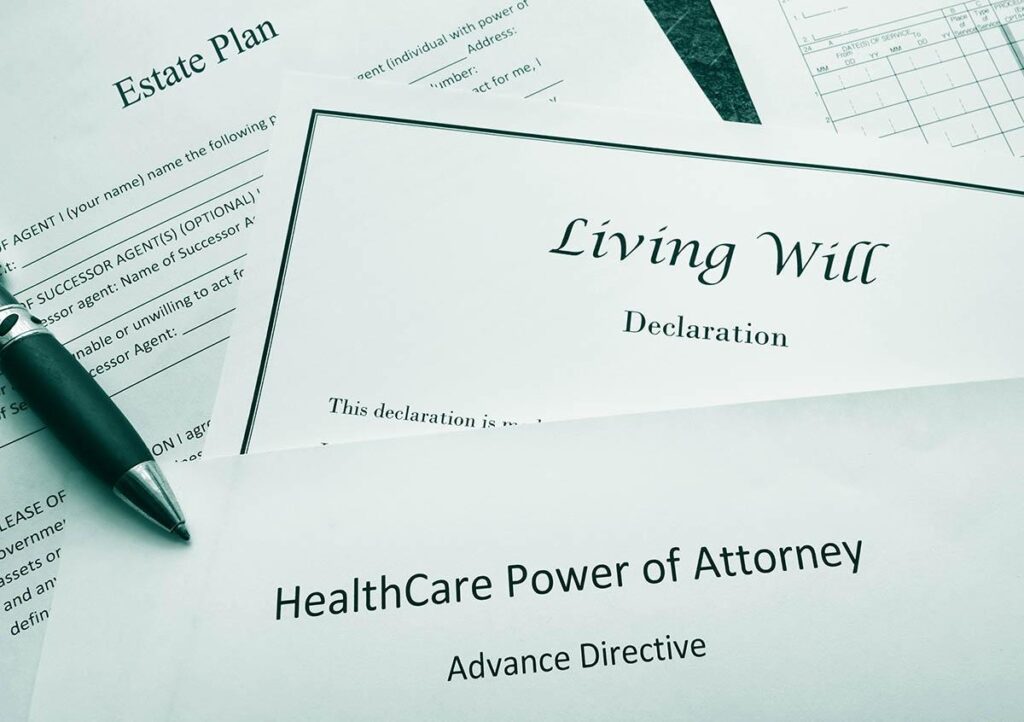
The Big Three...
Wills and Trusts
A will, traditionally called a testamentary will, is a legal document used to transfer the estate to beneficiaries after the death of the person who enacted the will.
In addition to declaring your wishes regarding your estate, another critical element of a will is naming the executor.
Once you've established your will, you'll want to sit down with your family and inform them of what to expect in your will. That way, everyone is on the same page, and you can address any questions.
What should be included in a will:
A list of beneficiaries (can be individuals or charities)
A list of the significant assets you want to leave your heirs
A list of your debts (mortgage, credit card debt, car loans, etc.)
Name of your executor
A trust is an entity or an agreement that allows the grantor (you) to transfer property to a trustee until your beneficiaries can claim it.
In the world of estate planning, trusts can minimize taxes, put restrictions on the distribution of assets, and bypass probate.There are several different kinds of trusts. You'll want to consult with an estate planning professional in your state to determine which may be best for your specific estate.
Healthcare Power of Attorney and Living Will
A healthcare power of attorney is a document that is activated when you are unable to make or communicate decisions regarding your health care.
In this document, you will name a person, such as a family member or caregiver, whom you would like to make decisions regarding your health care if you are unable to do so. They become your healthcare proxy. It's important to inform your healthcare proxy of your medical wishes, as they will be making those decisions if you are unable to.
A living will is a document outlining your choices regarding end-of-life treatment. Like a healthcare power of attorney, a living will only comes into play when you are still alive but unable to communicate decisions regarding your health care.
Questions to consider when creating a living will:
What kind of medications are OK or not OK to administer to you?
Do you want a feeding tube if you are unable to eat?
Do you want to be on life support? If so, for how long?
Do you want a DNR (do not resuscitate) order?
Do you want to be an organ donor?
Would you like palliative care at the end of life?
These are hard questions to think about, but creating a living will may save your loved ones from having to make tough decisions regarding your medical care.
Financial Power of Attorney
Much like a health care power of attorney, a financial power of attorney is a document that is activated when you aren't able to make financial decisions for yourself.
In the document, you'll designate a person to manage your finances on your behalf. If possible, you'll want to select a different person than your health care power of attorney, as it can be burdensome to make both medical and financial decisions for a loved one.
Whomever you select, make sure it is someone you trust and make your financial wishes known to them ahead of time.
Marc Seigel and Lauren Seigel-Gross can refer you to a reputable estate attorney. Contact them today!
 The data relating to real estate for sale on this website appears in part through the SMARTMLS Internet Data Exchange program, a voluntary cooperative exchange of property listing data between licensed real estate brokerage firms, and is provided by SMARTMLS through a licensing agreement. Listing information is from various brokers who participate in the SMARTMLS IDX program and not all listings may be visible on the site. The property information being provided on or through the website is for the
